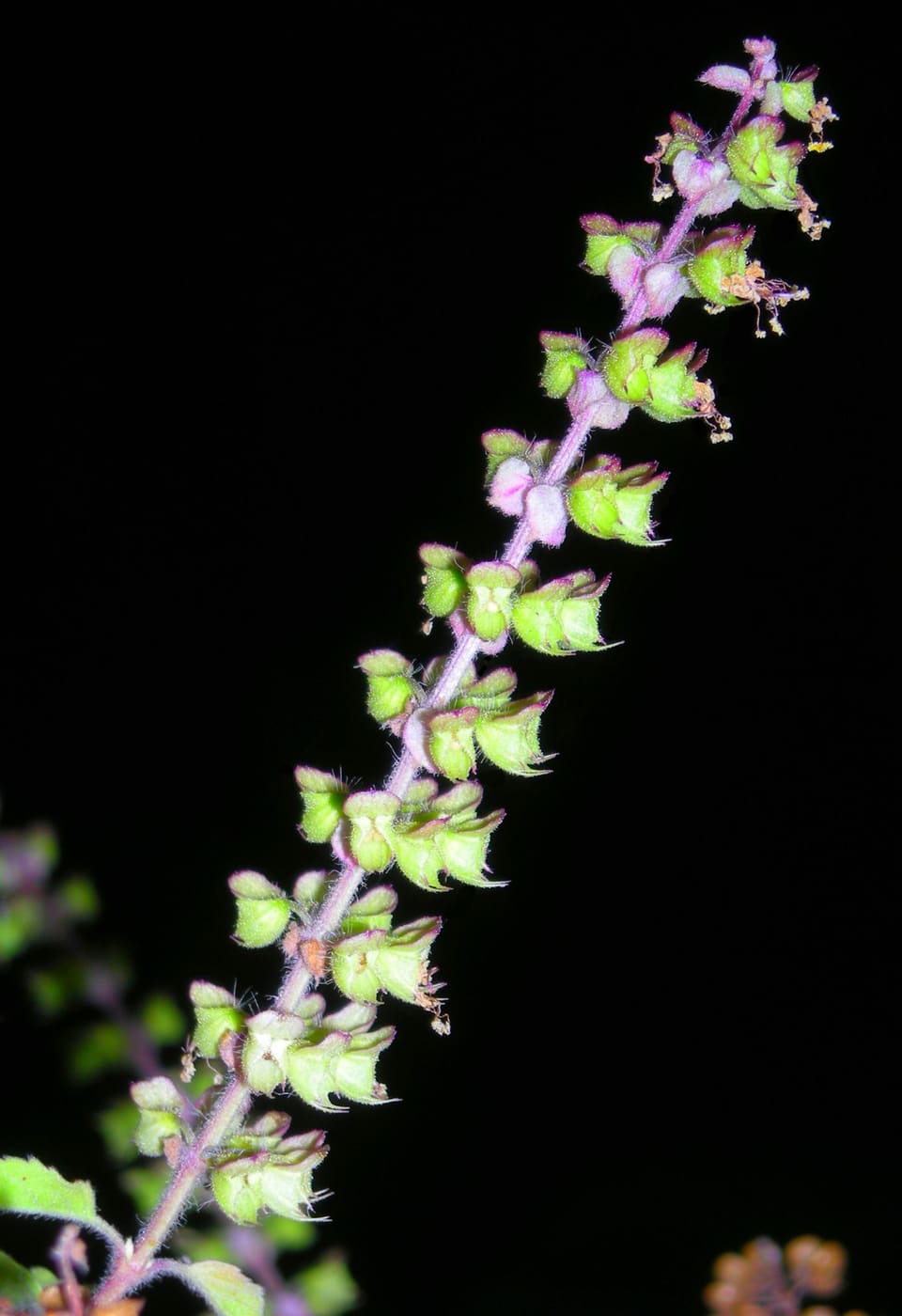
Holy Basil Dried 4 oz
Net weight: 4 oz
Holy Basil Uses
Overview. Holy basil (Ocimum tenuiflorum or Ocimum sanctum), also called Tulsi, is a sacred herb in Ayurvedic tradition with a long history of culinary, medicinal, and ritual uses. It has a peppery, clove-like aroma with citrusy and sweet notes. Both leaves and flowers are used fresh or dried. Below are practical, evidence-informed uses and simple preparation ideas.
Culinary uses
- Fresh leaves as a finishing herb: Add whole or torn leaves to soups, stews, curries, and noodle dishes just before serving to preserve aroma.
- Herbal teas and infusions: Steep 1–2 teaspoons of crushed fresh leaves (or 1 teaspoon dried) in hot water for 5–10 minutes. Sweeten with honey or lemon if desired.
- Pesto and herb pastes: Substitute or blend holy basil with sweet basil for a more robust, slightly spicy pesto.
- Sauces and chutneys: Combine chopped tulsi with cilantro, mint, green chilies, lime, and salt for a zesty chutney.
- Marinades and dressings: Infuse olive oil with crushed tulsi leaves for a fragrant base for marinades and vinaigrettes.
- Garnish: Finely chiffonade leaves to top grain bowls, omelets, pizza, and roasted vegetables.
- Fermented beverages: Use tulsi in kombucha or shrub recipes for a herbal lift.
Medicinal and wellness uses
- Adaptogenic support: Traditionally used to help the body adapt to stress and support overall resilience.
- Respiratory support: Steam inhalation with crushed leaves or drinking tulsi infusion may help soothe mild coughs and congestion.
- Digestive aid: Tulsi tea after meals can ease indigestion and bloating for some people.
- Immune support: Used in Ayurveda to support immune health.
- Sleep and relaxation: A cup of tulsi tea in the evening may promote relaxation.
- Topical applications: Crushed leaves applied as a poultice are used traditionally for minor skin irritations and insect bites. Test on a small area first.
Preparations and dosages (general guidelines)
- Tea: 1–2 teaspoons fresh leaves or 1 teaspoon dried per cup of water; steep 5–10 minutes. Up to 2–3 cups daily is common in traditional use.
- Tincture: Follow product instructions; concentrated preparations require lower doses.
- Capsules/extracts: Use as directed. Consult a healthcare provider for therapeutic dosing, especially during pregnancy or if on medications.
Cosmetic and household uses
- Aromatherapy: The essential oil is used in diffusers and sprays. Use properly diluted; essential oils are potent.
- Hair and scalp rinse: A cooled infusion can be used as a final rinse.
- Natural insect repellent: Fresh crushed leaves rubbed on skin or placed near windows can help deter some insects.
- Air freshener: Simmer fresh leaves with citrus peels and spices to scent the home naturally.
Cultivation and storage tips
- Grow in full sun to partial shade with well-draining soil. Pinch back regularly to encourage bushy growth.
- Harvest leaves in the morning for best flavor and aroma.
- Dry leaves in a shaded, ventilated area and store in airtight containers away from light.
Safety and precautions. Generally recognized as safe in culinary amounts. Concentrated extracts and high doses can interact with medications (especially blood thinners, diabetes drugs, and thyroid medications) or affect pregnancy outcomes. Avoid high-dose use during pregnancy and breastfeeding unless supervised by a healthcare professional. Conduct a patch test for topical use. If treating a specific health condition, consult a qualified healthcare provider before starting regular tulsi supplementation.