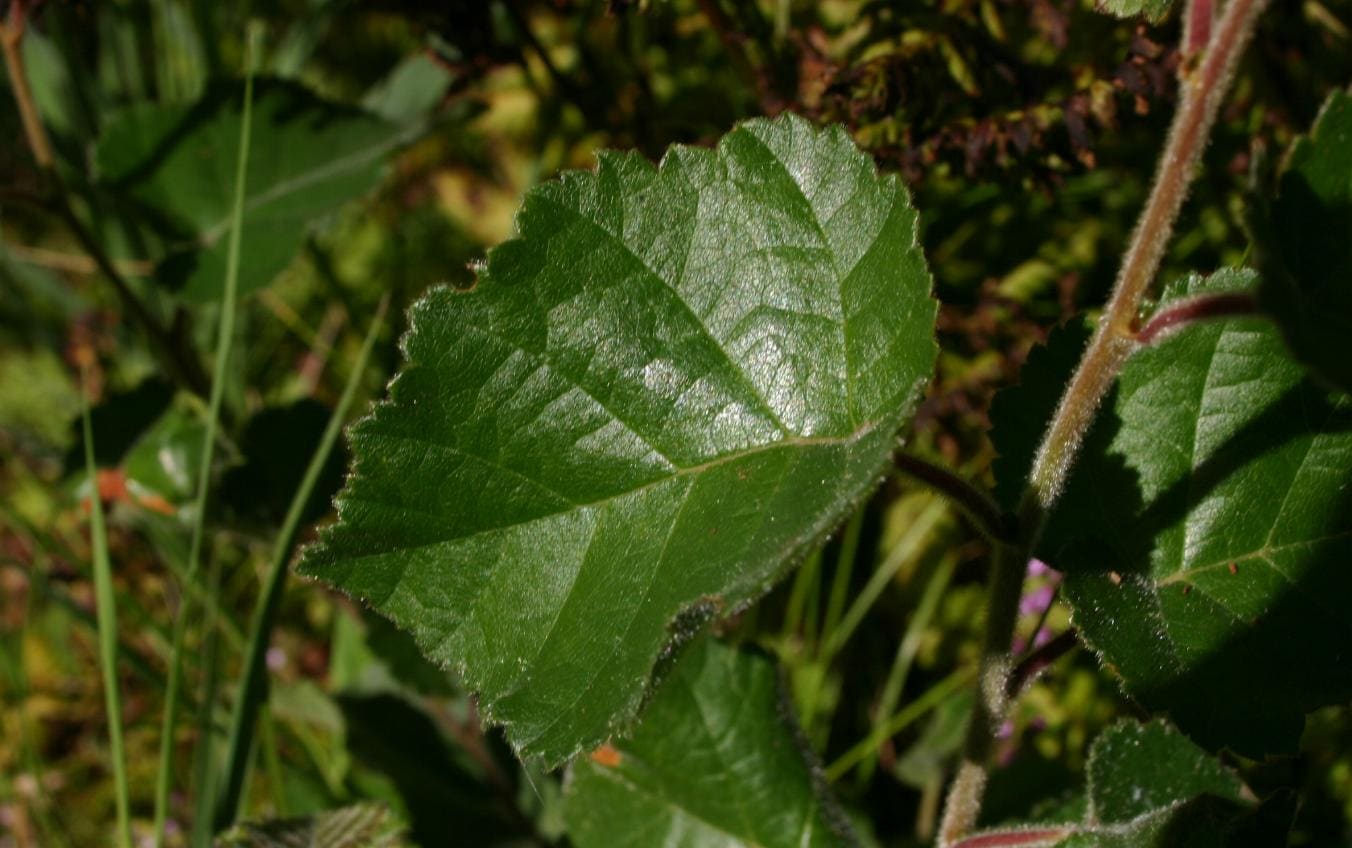
Birch Loose Leaf Tea 6oz
Net weight: 6 oz
Price TBD
Birch Loose Leaf Tea
Overview. Birch loose leaf tea is an herbal infusion made from the leaves (and sometimes buds or bark) of various birch species, most commonly Betula pubescens (downy birch) and Betula pendula (silver birch). Renowned in Northern European and North American folk traditions, birch tea offers a subtly sweet, slightly astringent flavor with light resinous and wintergreen-like notes. It is caffeine-free and often used for its refreshing taste and traditional wellness associations.
Flavor profile
- Aroma: Fresh, green, mildly woody with a hint of camphor or wintergreen depending on species and processing.
- Taste: Delicate, vegetal base with a faint minerality and cooling menthol or wintergreen undertone. Low bitterness; finishes clean and slightly sweet.
- Mouthfeel: Light-bodied, crisp, with a refreshing tingling note when wintergreen compounds are prominent.
Preparing birch loose leaf tea
- Water: Use fresh, filtered water.
- Temperature: 175–195°F (80–90°C). Lower temperatures preserve subtle aromatics; higher temperatures extract more tannins.
- Leaf quantity: 1–2 teaspoons per 8-ounce cup (2–4 g).
- Steep time: 3–6 minutes. Shorter steep yields a lighter cup; longer steep increases body and astringency.
- Multiple infusions: Leaves can typically be infused 1–2 times. Increase steep time on the second infusion.
- Additions: Honey, lemon, or a light sweetener complements the tea's natural sweetness. Pairing with mint or a slice of apple enhances the cool, bright character.
Health and traditional uses
- Caffeine-free herbal infusion often consumed for its soothing, hydrating qualities.
- Traditional uses include support for digestion, mild diuretic effects, and relief from minor aches; these uses are folkloric and not substitutes for medical advice.
- Birch leaves contain betulin, essential oils (including methyl salicylate in some species), flavonoids, and tannins. People with sensitivities to salicylates (aspirin-like compounds) should use caution.
- Pregnant or nursing individuals and those on anticoagulant therapy should consult a healthcare professional before regular consumption.
Sourcing and quality
- Wild-harvested vs. cultivated: Wild spring leaves are prized for delicate flavor; cultivated sources offer more consistent supply.
- Freshness: Look for bright green, intact leaves with minimal dust. Avoid leaves with musty or overly woody aroma.
- Processing: Minimally processed, air-dried leaves retain the most characteristic aroma. Some blends include birch with complementary herbs (lemon balm, chamomile, or nettle).
Culinary and cocktail uses
- Culinary: Use brewed birch tea as a poaching liquid for fish, a poaching or soaking liquid for fruits, or as a subtle-flavored base for broths and sauces.
- Baking: Incorporate concentrated birch infusion into syrups, custards, or glazes for a light wintergreen note.
- Cocktails: Brew a strong infusion, chill, and use as a mixer in gin or vodka cocktails, or in a winter-themed spritz. Pair with citrus and herbal liqueurs.
Storage
- Store in an airtight container away from light, heat, and moisture.
- Best consumed within 12–18 months for optimal flavor; use sooner if leaves have high essential oil content.
Tasting tips
- Evaluate on first infusion for the pure leaf character; note any menthol or wintergreen notes that indicate higher methyl salicylate content.
- Try different steep temperatures to explore the balance between delicate aromatics and fuller-bodied astringency.
- Compare spring-harvested and late-season leaves to observe differences in sweetness and resinous notes.
Safety note. If you have allergies to birch pollen or sensitivity to salicylates, consult a physician before trying birch tea. Discontinue use if you experience any adverse reaction.